 By peter_lzh
 Kimi K3 Unveiled: A Domestic Coding Powerhouse with 2.8 Trillion Parameters, Now the Largest Open-Source Model
Recently, major foreign AI companies have been rolling out model updates in quick succession, and domestic vendors are not about to be outdone.
A couple of days ago, Moonshot AI (月之暗面) quietly dropped a big move, officially releasing its latest model: Kimi K3.
On closer inspection – wow – the model parameters hit 2.8 trillion directly, topping the charts at once as the largest open-source model in the world by parameter count.
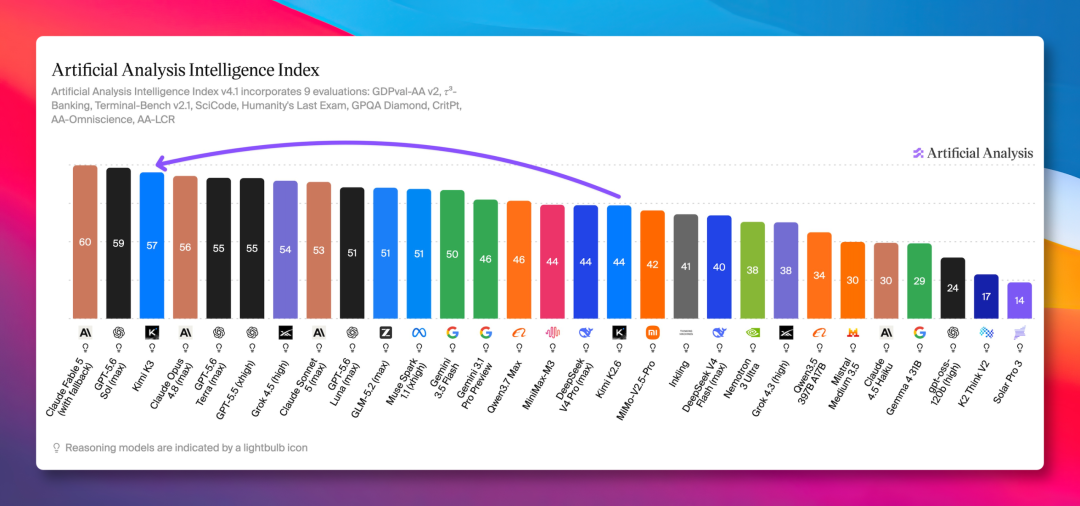
After release, the authoritative AI benchmark org Artificial Analysis evaluated K3.
The final result stunned everyone: K3 scored just behind Fable 5 and GPT-5.6 Sol, beating every other model on the leaderboard.
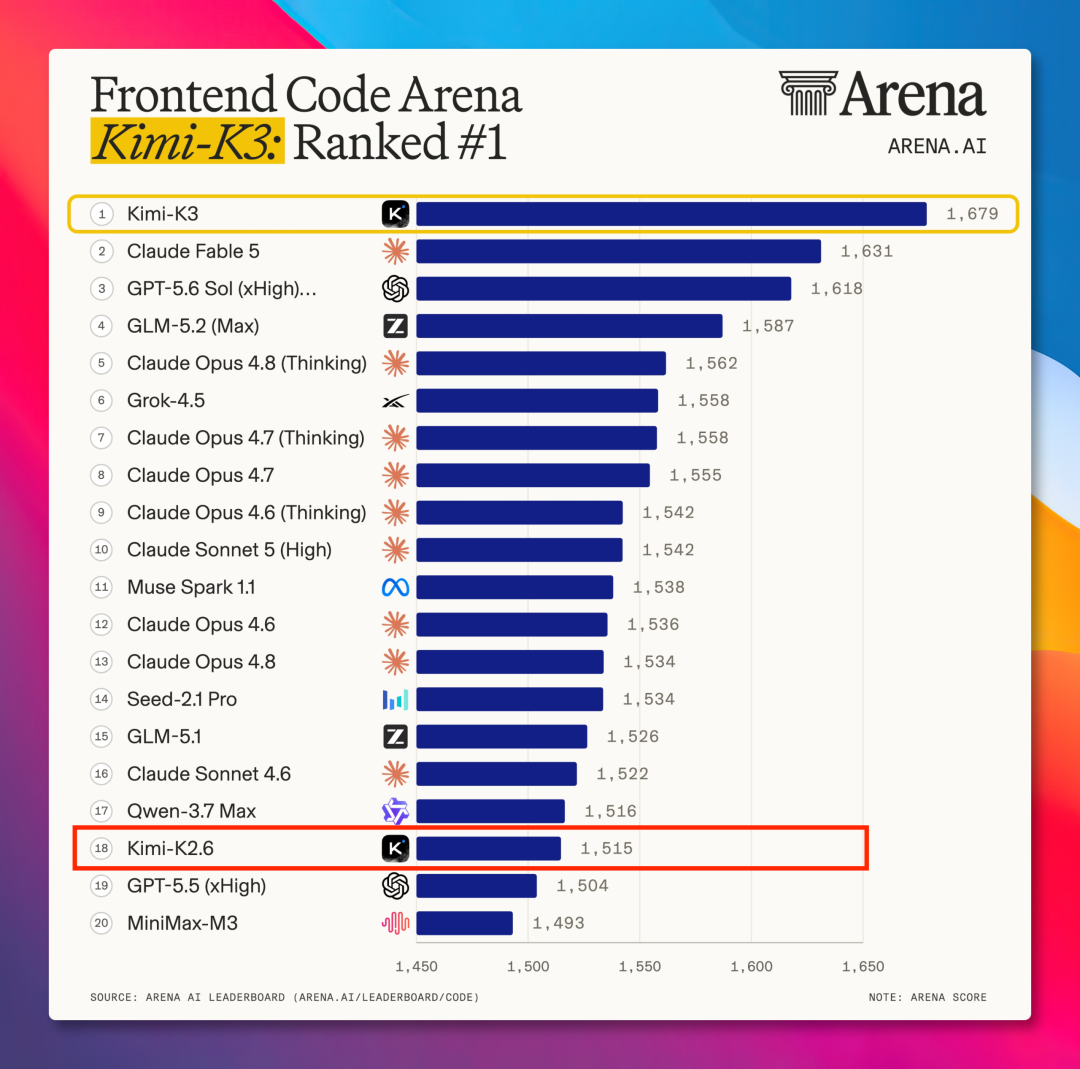
Meanwhile, the model-arena Arena.ai also published its test results: in the frontend evaluation, K3 topped the chart with a score of 1679.
It ranked ahead of Fable 5 and GPT-5.6 Sol, and took first place in 6 of the 7 frontend sub-domains, losing only to Fable 5 in the gaming scenario.
I also noticed something: Kimi’s previous model K2.6 was still ranked 18th; in just three months it jumped straight to first – genuinely fierce.
Beyond coding, the official release also showed off K3’s knowledge-work ability, and one example impressed me.
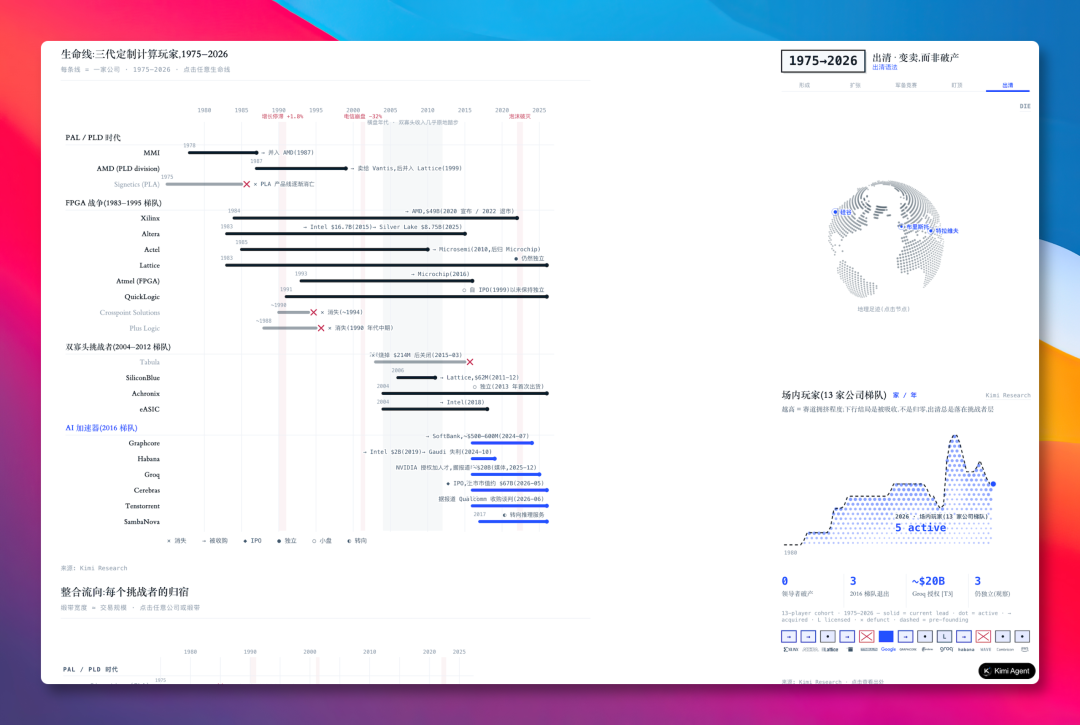
Through 120+ rounds of self-improvement, it ran 2,800+ searches and plowed through 11,000 pages of material in one go.
It finally delivered a research report covering 42 years of ASIC chip industry history. This capability is great for letting an Agent do research.
Beyond research, Kimi’s official team also had K3 cut a brand video for itself from 56 raw clips.
Shot selection, beat-syncing, and audio processing were all done by itself – work that would normally take an experienced editor one or two days.
It really is impressive, mainly thanks to K3’s native multimodal ability: text, image, and video are all processed inside the same model.
Honestly, this is the first time I’ve seen major foreign benchmark orgs give such high scores to a domestic open-source large model.
But is it really that good?
To clear up that doubt, I tested its coding ability on a real project.
Last week I had just built a “2026 World Cup match tracker” app, and the World Cup final happens to be coming up soon.
So I decided to add some tension to the site with a “World Cup champion prediction” feature.
On Kimi Code, I let K3 help implement this feature to see how its coding ability actually holds up.
Test 1: Code Understanding
This K3 model now supports a million-token context, meaning it can swallow an entire complex, large-scale project codebase.
I directly let it understand the entire project’s code – architecture, features, API data, everything.
Soon it had grasped all the project info, even listed the problems in the code, and fixed them along the way.
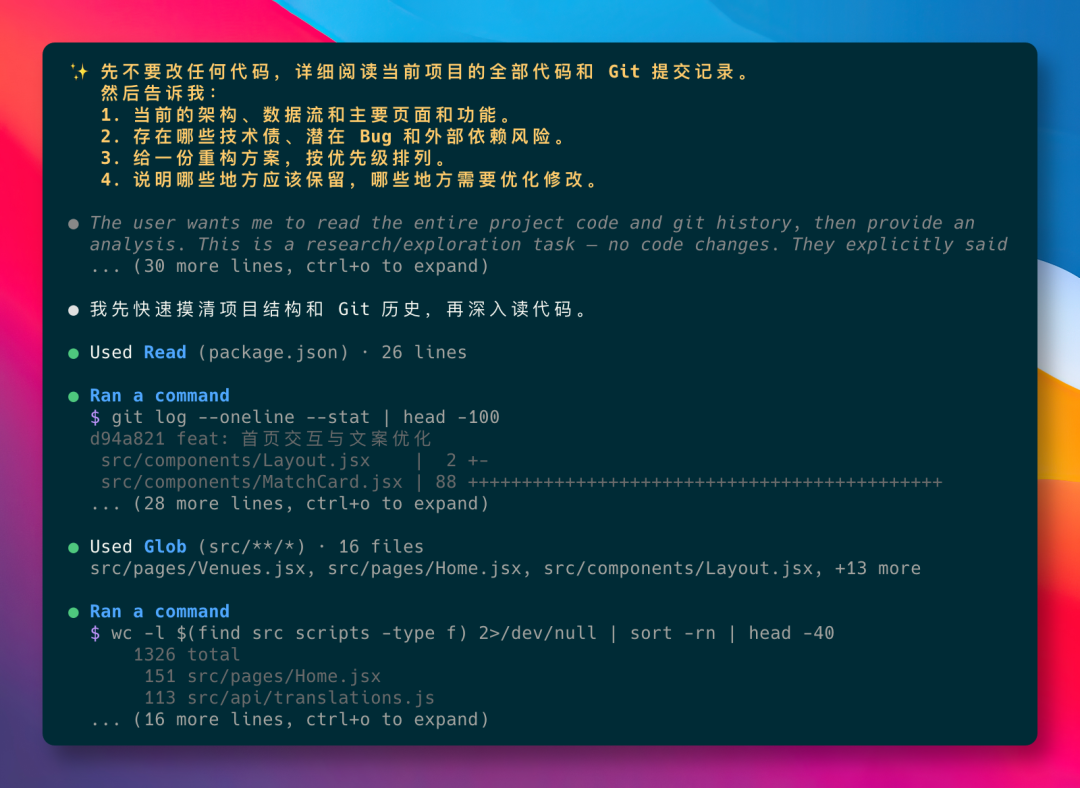
Now that K3 has a clear understanding of the whole project’s codebase, the next step is feature development on the project.
Test 2: Frontend Aesthetics
First, let me show you the “World Cup match tracker” app I built last week on Claude Code with the Fable model.
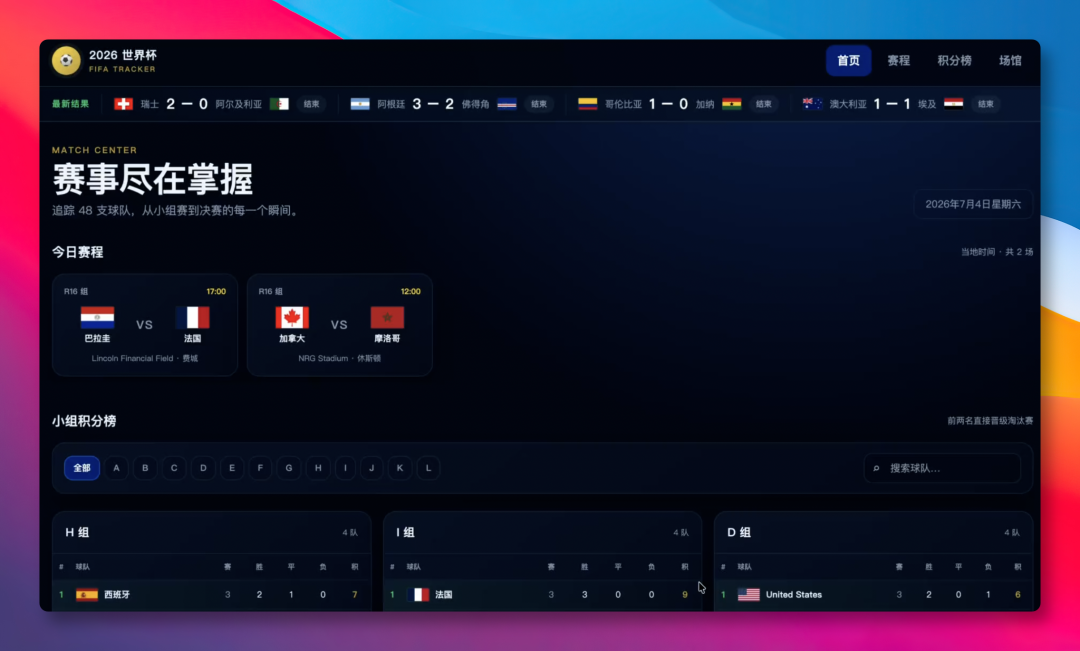
Reopening the app and seeing this homepage, the Fable-built result really looked too ugly.
So I asked K3 to redo it, requiring the page to have a final-match atmosphere.
I ran it, and the final result is below – feel free to judge.
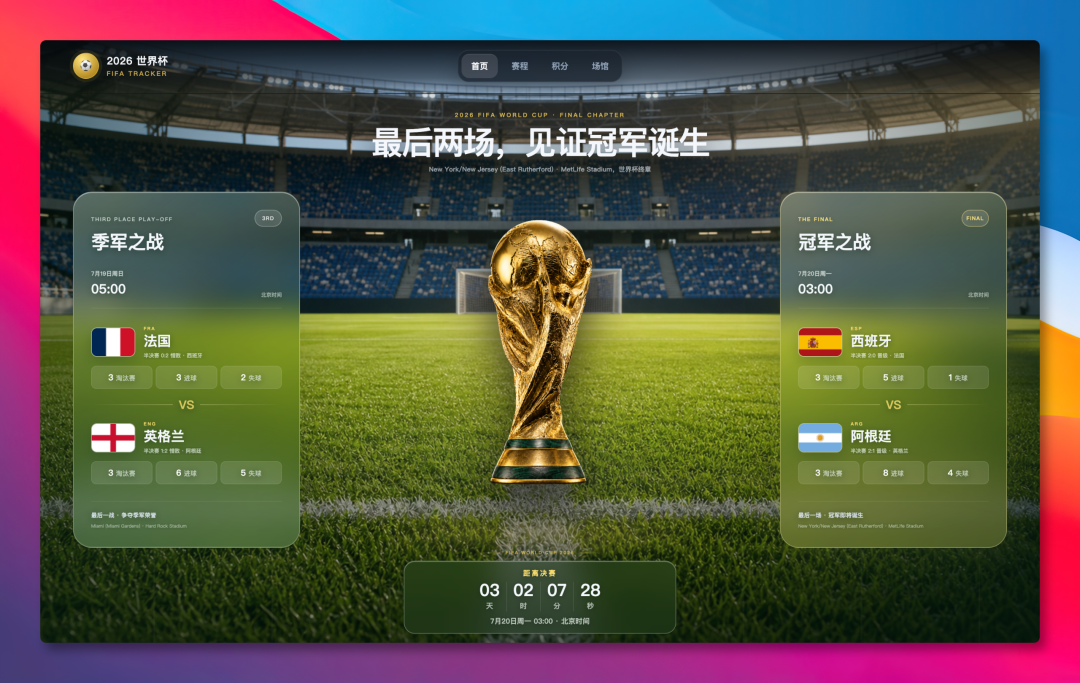
I have to say K3’s aesthetics are top-tier, especially that 3D World Cup trophy in the middle – the 3D effect is excellent.
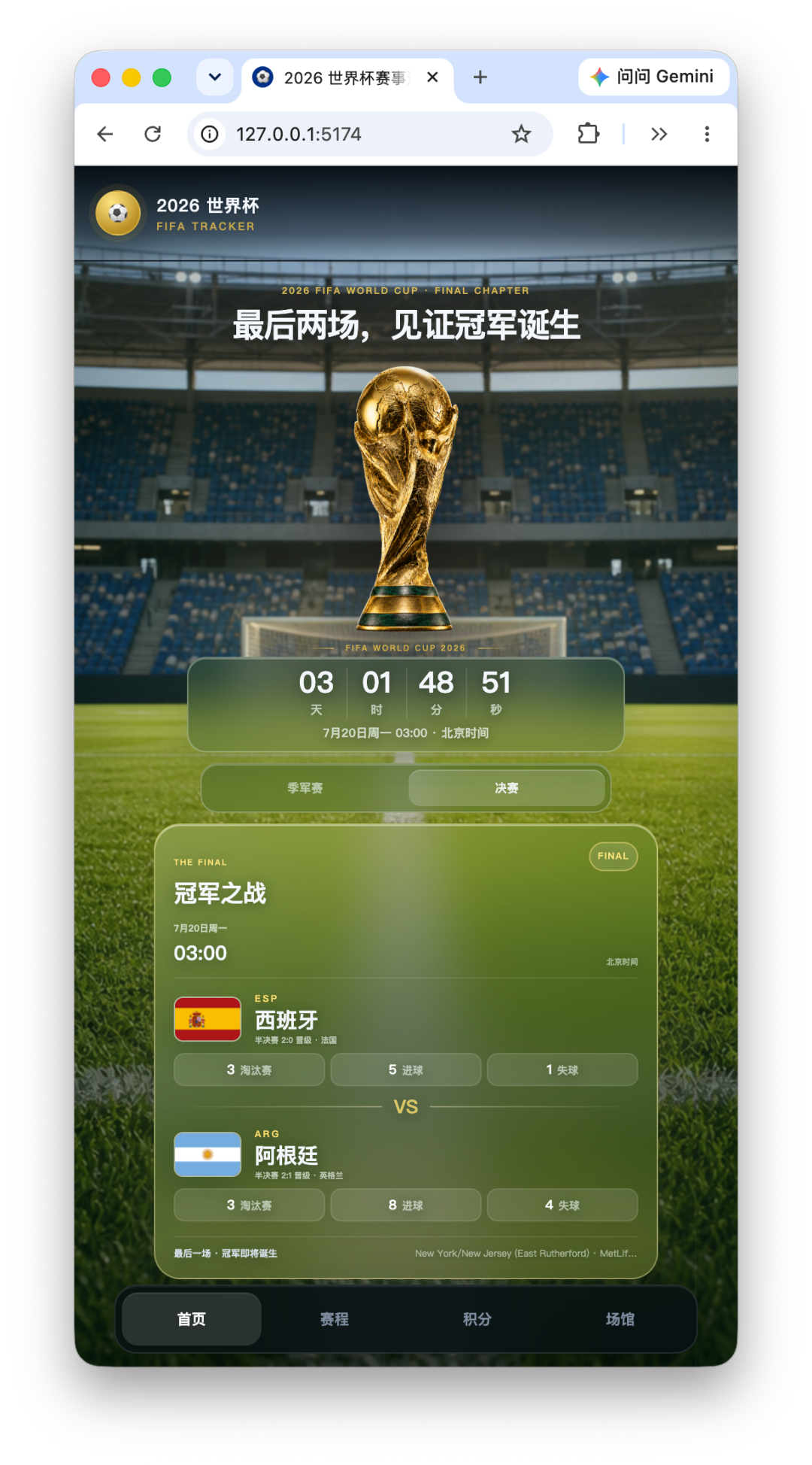
I’ve tested many models building frontend pages, and many simply skip mobile adaptation.
So I specifically checked the mobile view, and unexpectedly K3’s adaptation was also quite perfect.
Test 3: Full-Stack Coding
Kimi’s frontend coding has always been strong, but this time I wanted to raise the difficulty a bit and add a “predict the World Cup champion” feature to the site.
You can vote for the team you favor and view the real-time number of voters and the support rate.
This feature involves changing the frontend UI, backend API interfaces, setting up a database, and preventing vote fraud – complex handling.
It mainly tests K3’s full-stack coding ability, and whether it can sustain long, high-difficulty complex development tasks.
During implementation, I unexpectedly found it could call tools to self-test and proactively fix problems when found.
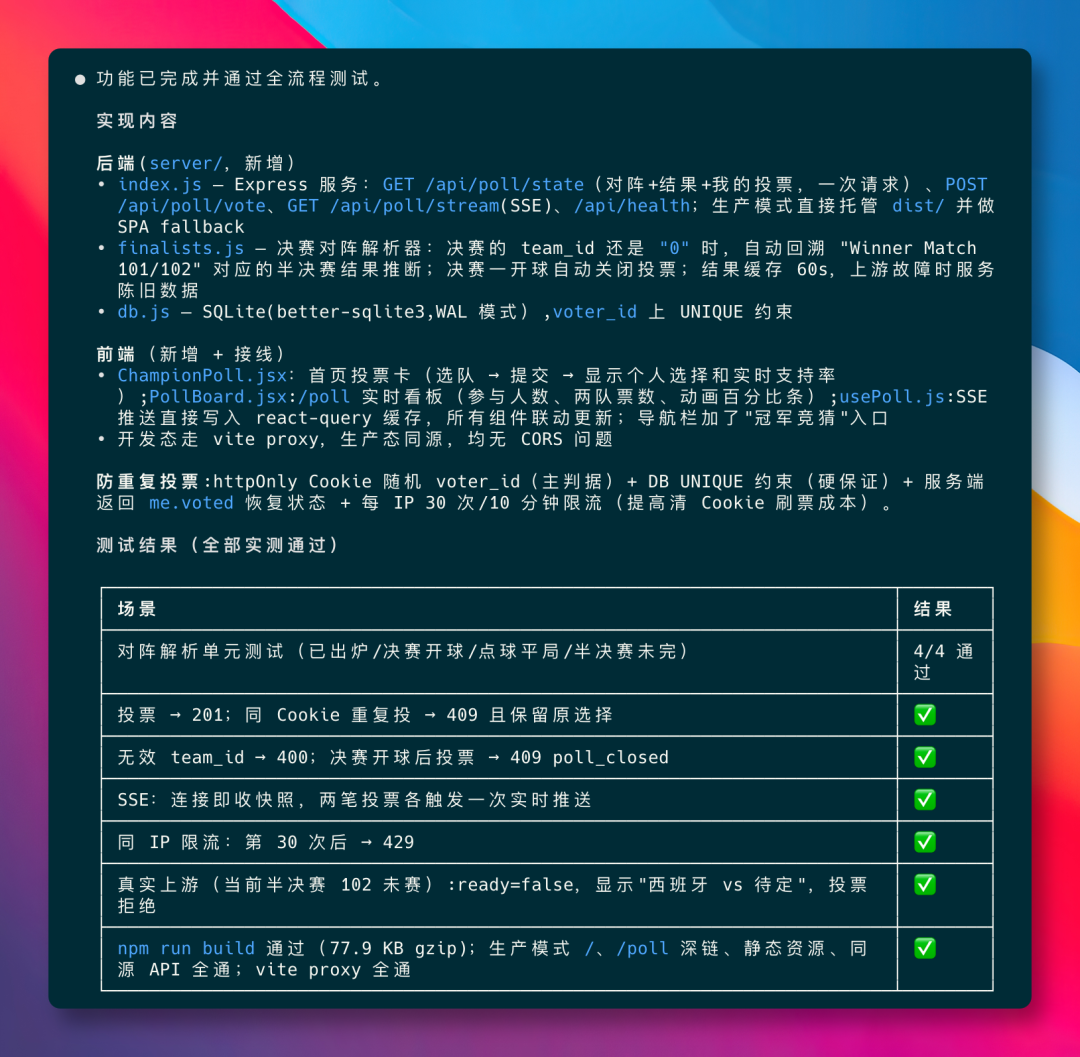
Here you can see K3 truly can, without human intervention, complete complex development tasks continuously over a long time.
It also operates the terminal and various dev tools, iterating between code and live screenshots, viewing the effect itself and fixing it itself.
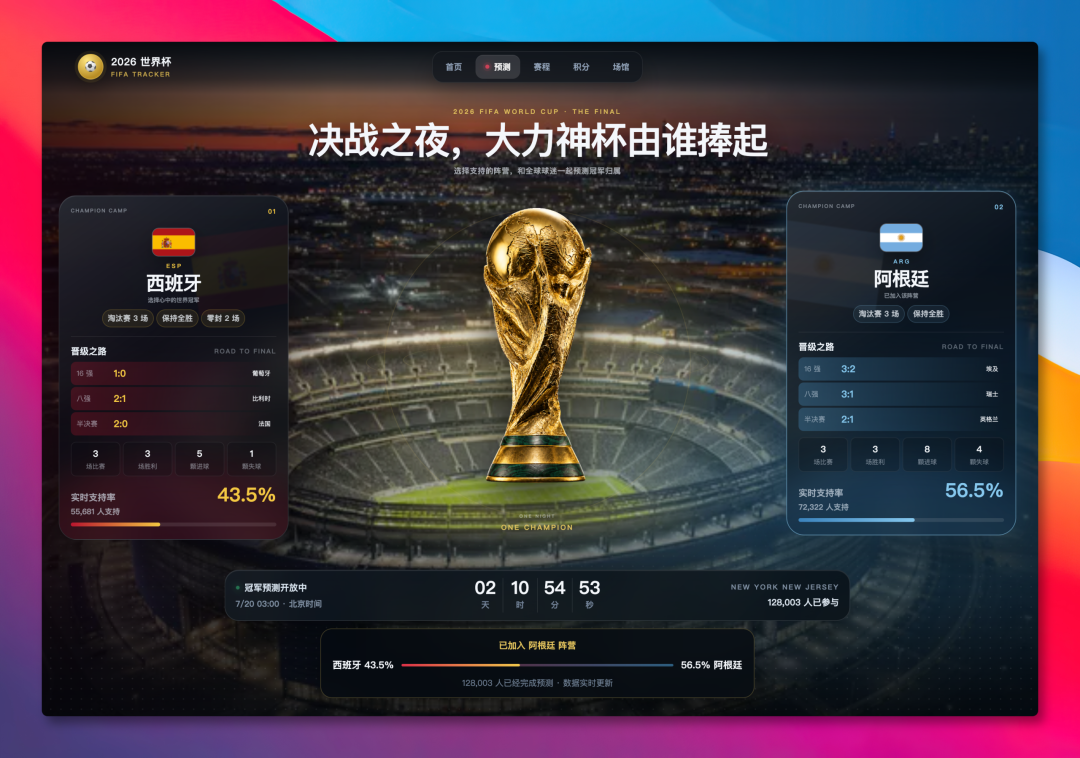
The final effect is shown below; the model’s aesthetics remain on point.
The left and right are the two camps’ card info.
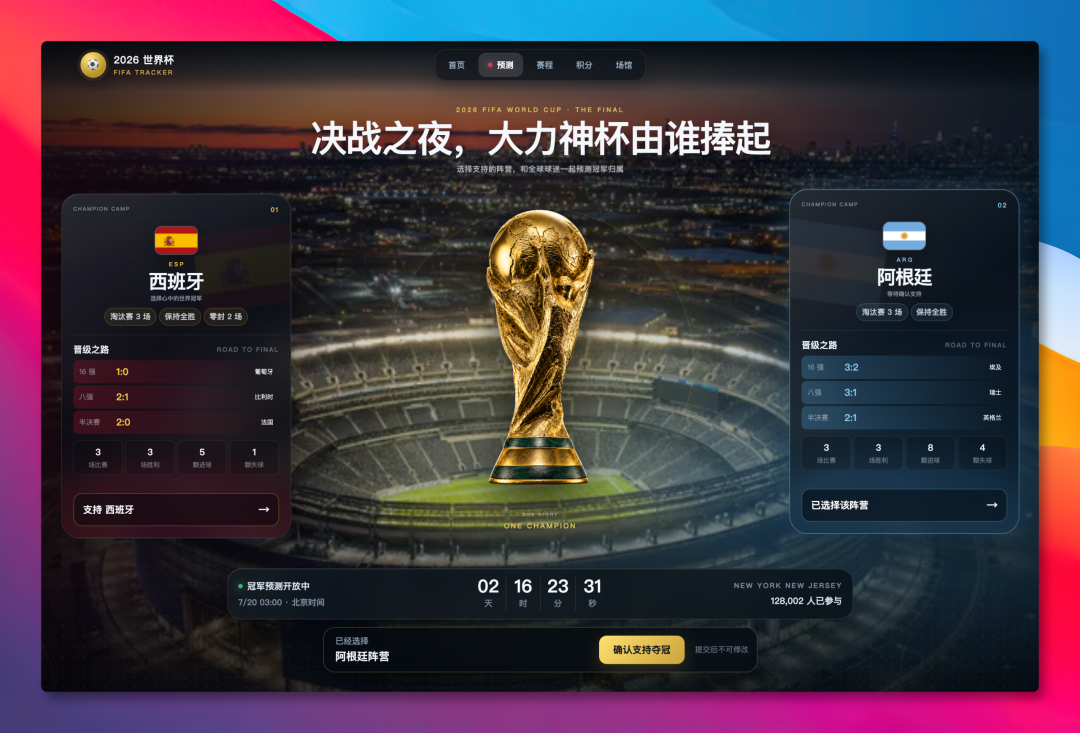
It contains the teams’ past real match data, and you can vote for your supported team.
After voting it shows the real-time voter count and support rate, also proving the frontend/backend full-stack logic is implemented.
In Closing
After actually testing K3, my impression is quite good – better than expected.
Its frontend aesthetics haven’t disappointed me since K2.5; this final-atmosphere redesign is still on point.
Also, in these real development scenarios, my feeling is it can touch the level of the GPT-5.6 Sol model.
Of course it’s not without flaws; Kimi’s official team admits K3 has some deficiencies.
For example, the model is sometimes too proactive – where requirements aren’t specified in detail, it may go ahead and do it on its own. They also admit it still lags behind Fable 5 and Sol.
But this gap is no longer the chasm of years ago where you couldn’t even see the tail-lights of top foreign closed-source models.
Over the long run, this gap itself is a history of catching up.
For the past three years, domestic AI has been answering the same question:
Exactly how far are we from the world’s most top-tier models?
From looking up to ChatGPT across an entire version gap in the early days, to DeepSeek tearing open a breach later, to today K3 standing atop the open-source peak.
The answer to that question went from “a few years behind” at the start to “half a step behind” now.
In my view, K3 is not only Kimi’s answer sheet, but also China’s phased answer in this round of the AI wave.
Kimi K3’s API pricing is actually similar to the Claude Sonnet series. That means at Sonnet’s price, K3 delivers capability on par with Opus 4.8.
No wonder many people, after trying the model, subscribed to the Coding Plan without hesitation.
Kimi K3 is now fully live on the official site, App, Kimi Code, Kimi Work, and the API open platform – go give it a try.