 By peter_lzh
 DeepTutor: A 25k-Star Open-Source AI Tutor from HKU That Reached 20k Stars in ~100 Days
DeepTutor from the HKU Data Science Lab hit 25k stars on GitHub, reaching 20k in roughly 100 days of open source. I dug through the code: the agent loop is written at a low level, and six modes — Chat, Quiz, Research, Solve, Visualize, and Mastery Path — share a single runtime, with support for local models and one-command Docker deployment.
It’s an agent-native learning workspace offering lifelong personalized tutoring: problem generation, solving, and guided study all in one. A genuinely democratizing AI tool.
Overview
DeepTutor is an open-source AI learning space where tutoring, problem solving, quizzes, research, visualization, and mastery practice are all packed into one agent engine, with data shared across every workflow. The project is maintained by the HKU Data Science Lab.
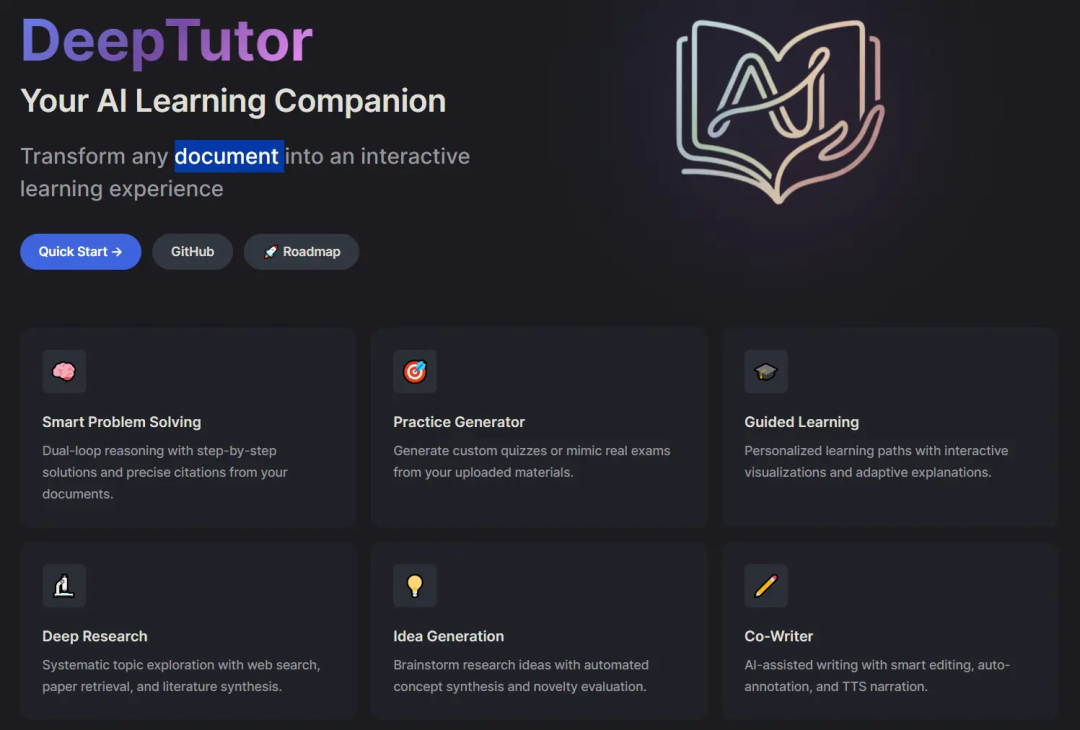
Feature Details
1. Chat: Six Modes Share One Agent Engine
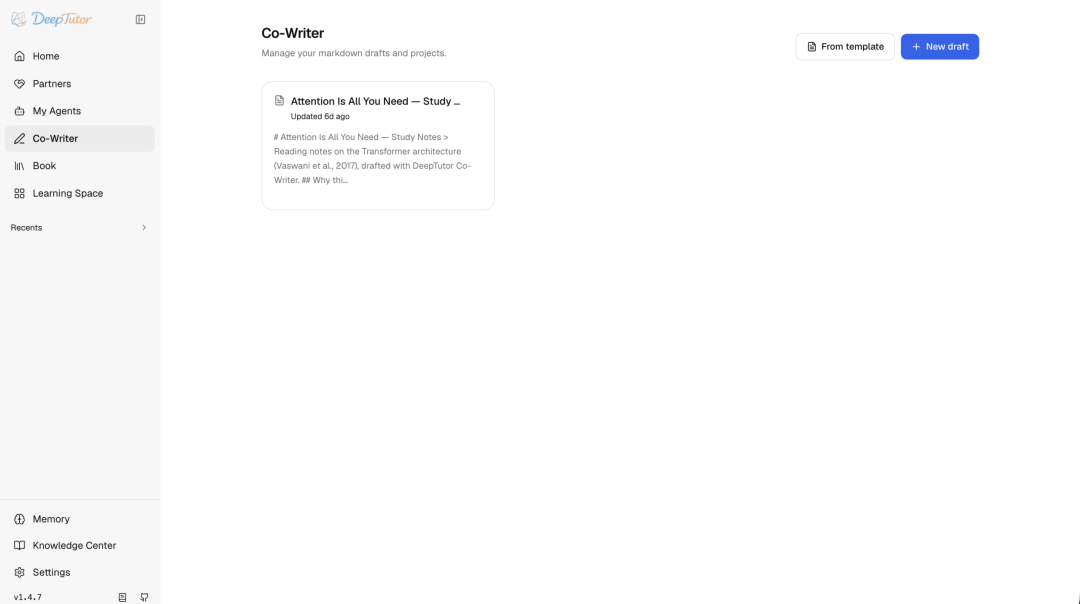
Open DeepTutor and the left navigation bar shows nine modules: Home, Partners, My Agents, Co-Writer, Book, Learning Space, Memory, Knowledge Center, and Settings.
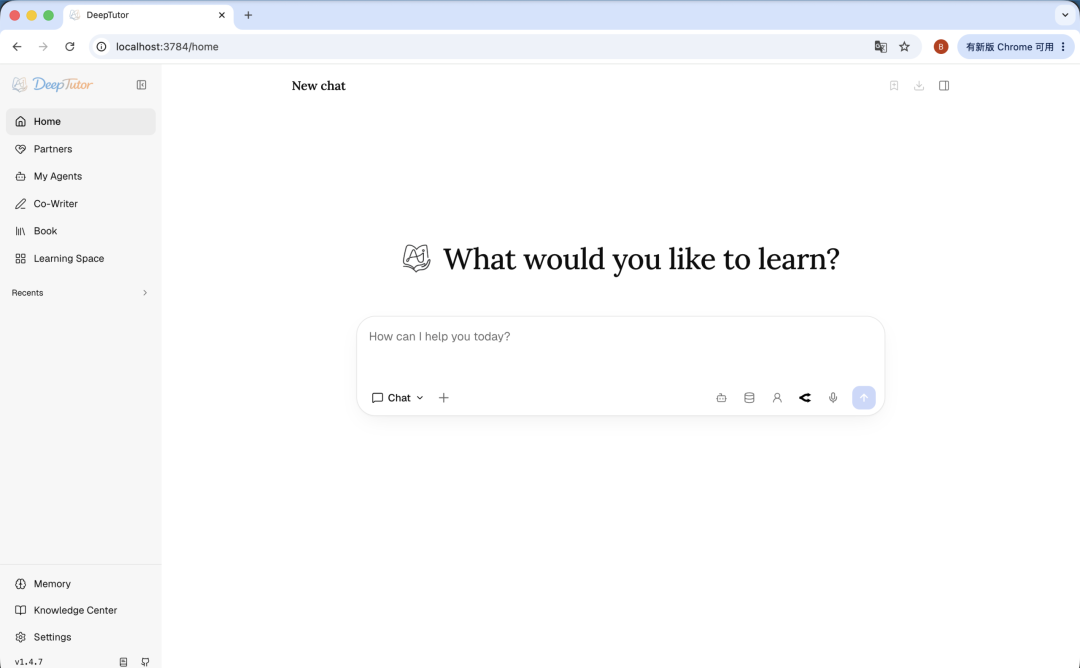
Chat looks like a simple chat window, but all six learning modes actually enter from here. Switch to solve mode and the concepts you discussed stay in context; switch to quiz mode and the system automatically folds the discussion into a question bank. Change the goal and the engine stays the same.
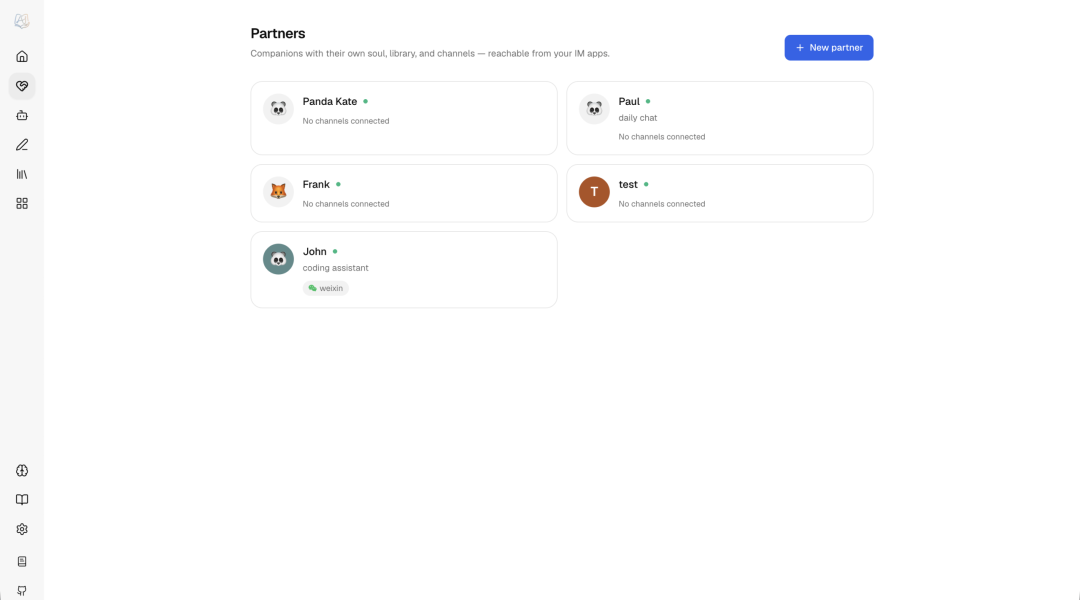
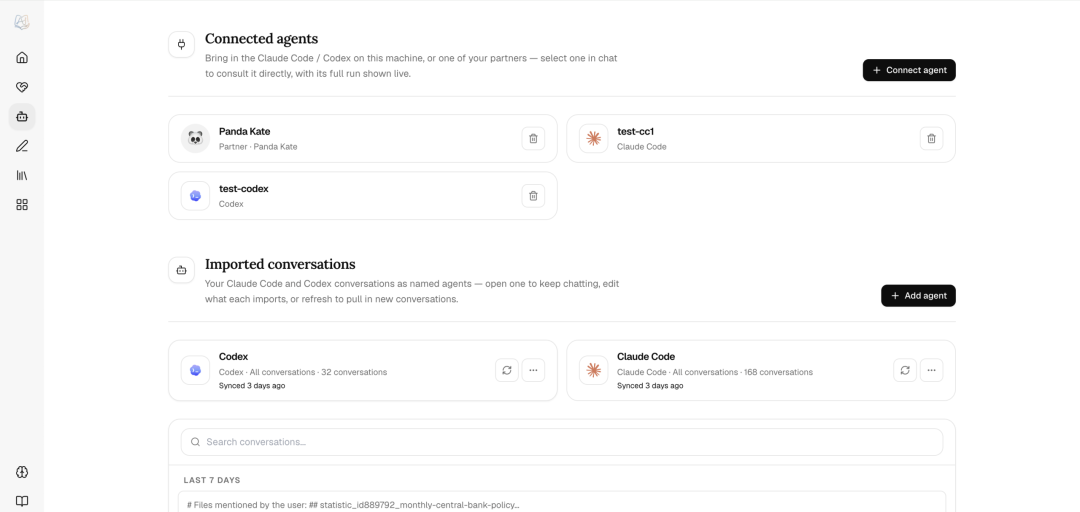
2. Partners: Connect Local Claude Code and Codex
Partners let you plug in locally running Claude Code or Codex at any turn of a conversation. A Partner has its own persona, private knowledge base, and skills, keeping an independent memory. Conversations support branching, continuation, deletion, and a replayable action trail; a Mattermost channel was later added. When you ask DeepTutor a coding question, it calls your locally running Claude Code with full context — no copy-pasting back and forth to the IDE.
3. My Agents: An Independent Space for Custom Agents
My Agents lets you create and manage your own agents, giving each one a different persona, knowledge base, and skills. Memories are isolated between agents but can be orchestrated uniformly through Chat.
4. Co-Writer: Multi-Document Collaborative Writing
Co-Writer supports multi-document collaborative writing — open several documents at once and let AI assist based on your knowledge base. It offers smart editing, automatic annotation, and TTS read-aloud; when finished, save directly to a notebook or export Markdown.
5. Learning Space and Mastery Path
The Learning Space ties everything together: research mode pulls papers, visualize mode renders concepts, and the Mastery Path tracks long-term progress across topics, adapting difficulty as you improve.
Deployment
DeepTutor supports local models and one-command Docker deployment, so you can run the whole tutoring workspace on your own machine.